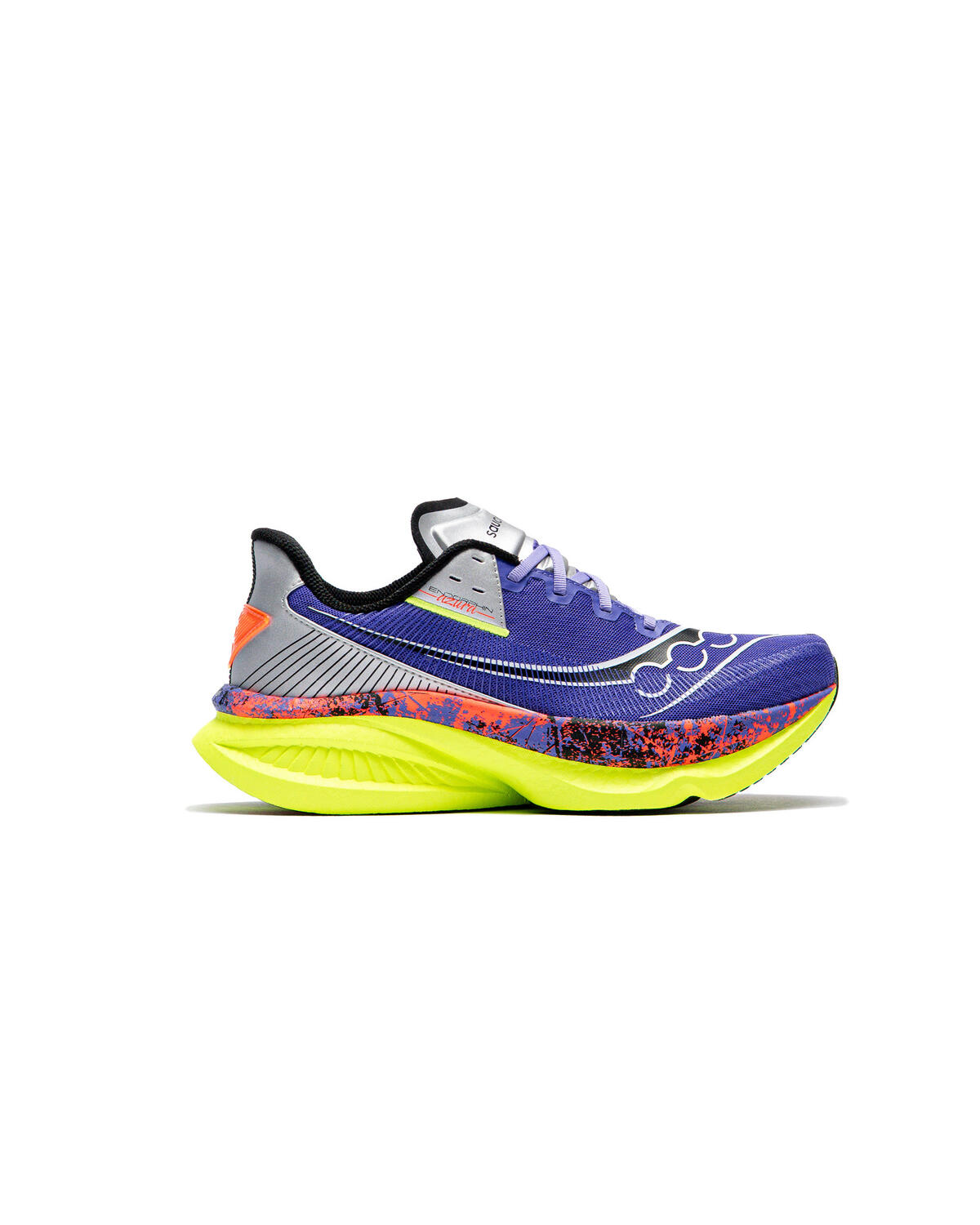
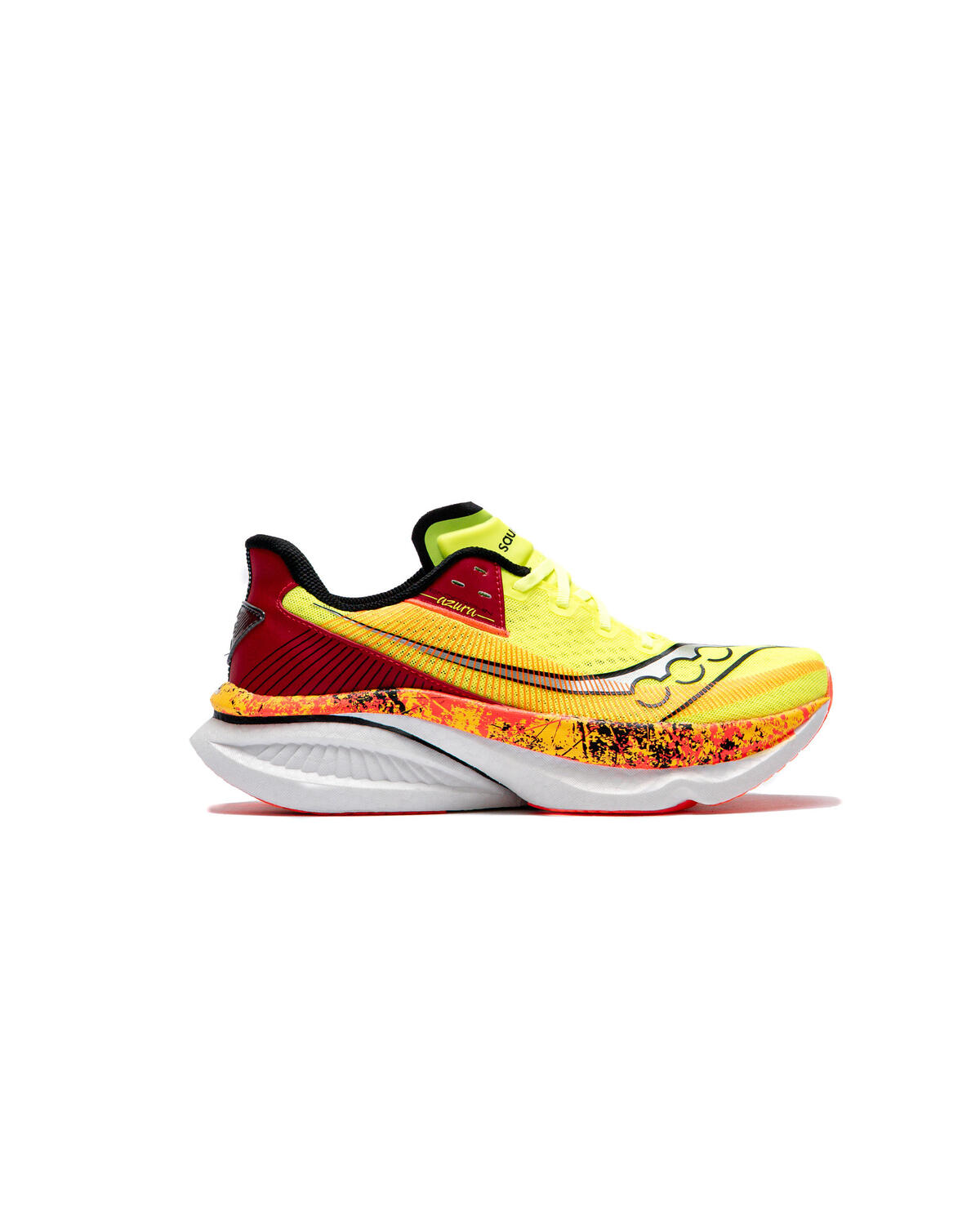
Is the Saucony Azura comfortable?
Comfort is acceptable for casual wear because the Azura keeps a fairly light build and EVA midsole setup, but it is not a modern soft-foam shoe. The point is the lean retro shape more than plushness.
Published Updated
Late-80s Saucony retro with better shape and personality than the average archive bring-back, but it remains a niche buy whose momentum depends more on informed taste than broad mainstream demand.
The Azura first appeared in Saucony's 1988 running line, an era when the brand built lightweight trainers with sculpted side panels and simple EVA tooling. It later resurfaced as an archive reissue, sitting alongside the Shadow and Jazz as one of Saucony's late-80s heritage runners. Collaborators have revived it as the Grid Azura, but the core model trades on its quiet, under-the-radar vintage running pedigree.
Comfort is acceptable for casual wear because the Azura keeps a fairly light build and EVA midsole setup, but it is not a modern soft-foam shoe. The point is the lean retro shape more than plushness.
Part of it is the silhouette itself: the 1988-era Azura OG reissue gives Saucony a more angular late-80s option than the bulkier 2000s runners. The other part is that later Grid Azura 2000 collaborations reminded people the Azura name still carries stylistic value.
The Azura is the lighter, sharper, more understated buy. The Shadow 6000 is easier to recommend if you want broader community familiarity, more padding, and the Saucony retro most buyers already recognize.
It is easy to recommend only if you already like Saucony heritage runners. Community praise for Saucony quality and comfort is real, but the Azura still lives in a smaller lane than Saucony’s better-known Shadows, Omni models, or Endorphin runners.
Claims in the guide text link directly to these Reddit threads and article sources.

Azura guide
Read the guide and compare current prices, stores, and sizes.
Browse the Saucony Buyer's Guide
See the full Saucony Buyer's Guide on SoleFeed.

Saucony Shadow 6000
Safer buy if you want Saucony’s most established lifestyle retro.

Saucony Grid Shadow 2
If you want Saucony heritage with more 1990s-2000s texture.

Saucony Jazz
Cleaner and simpler if you want a lower-profile vintage runner.