Buyer's Guide

Salomon Speedcross 3 Review & Sizing Guide

Published Updated

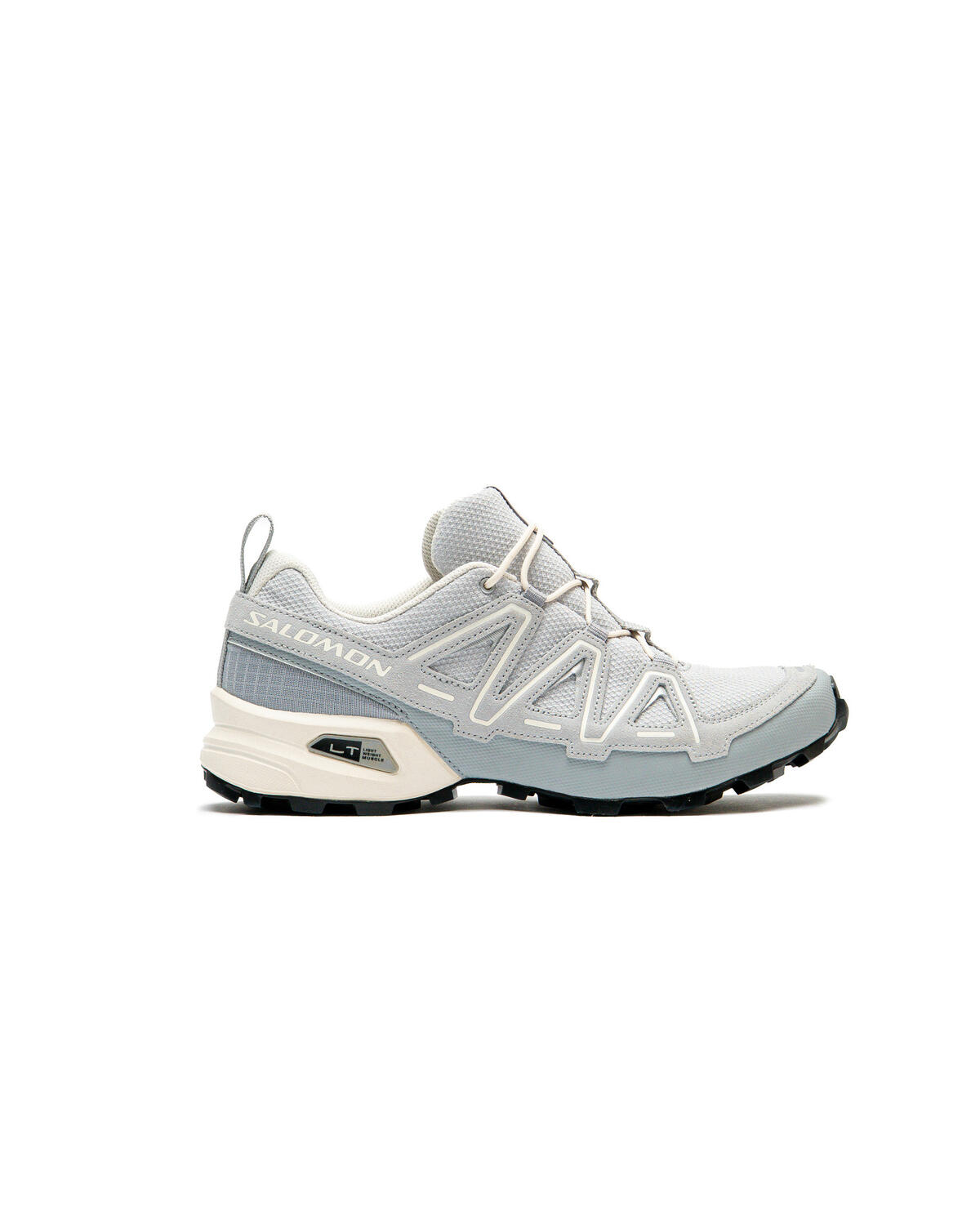
The Speedcross 3 is worth it for Salomon's 2011 stability-and-grip trail-running breakthrough, best for aggressive off-road use rather than quiet city wear. Trail-running coverage documents its widened heel and deeper lugs.

Key facts

Popularity
Niche gorpcore visibility, limited broad sneaker conversation.
Comfort
Secure but firm; warm in some conditions.
Fit
Often narrow; many users size up.
Value
Better value on sale than full retail.
Use case
Best on muddy trails, mixed for city wear.

Full breakdown

The Speedcross 3 landed in 2011 as the third generation of Salomon's soft-ground trail racer, widening the heel for stability and deepening the aggressive mud-shedding lugs the line was already known for. It became the Speedcross that broke out beyond trail running, later resurfacing as a streetwear and high-fashion object through reissues and the Y/Project collaboration that pulled the rugged silhouette onto runways.

FAQ

Does Speedcross 3 fit true to size?

Size up for narrow-foot pressure, especially with thicker socks: the fit often runs half-small with a tight forefoot, so true to size is best reserved for narrow feet that already know Salomon trail shoes. Community discussion echoes the snug forefoot.

Is Speedcross 3 comfortable for city walking?

It is better for trail grip than city comfort and can feel firm and heavy on pavement; the aggressive rubber lugs make sense on muddy trails, but for travel or road walking the ride is specialized rather than soft. Hiking discussion backs the off-road bias.

Why choose Speedcross 3 over Salomon Speedcross 6?

Choose the Speedcross 3 over the Speedcross 6 if you want the older, more nostalgic trail-running shape. Salomon's third-generation history centers on stability, cushioning, and deeper outsole grooves, which is why the 3 still reads as an iconic trail shoe Speedcross 3 trail-running shape.

Who should avoid Speedcross 3?

Skip it for quiet daily wear, wide feet, or mostly smooth wet rock: it works best with outdoor pants, technical layers, and muddy trail use, not minimal outfits or long pavement days. Trail-running discussion confirms the narrow, terrain-specific build.